
Cape San Blas fishing provides excellent opportunities across three environments: inshore fishing in the shallow grass flats of St. Joseph Bay, offshore deep-sea fishing in the Gulf of Mexico, and easy surf fishing from local beaches. Anglers consistently target prized species like Redfish, Speckled Trout, Tarpon, and trophy Red Snapper. Booking a local fishing charter is highly recommended to successfully navigate the rich waters of the Forgotten Coast.
The Forgotten Coast boasts over 200 miles of fishable shoreline and an extensive artificial reef network, and that's exactly why this quiet stretch of the Florida Panhandle is a top destination for anglers.
Fishing in Cape San Blas is incredibly peaceful compared to the busier parts of Florida, primarily because state parks protect so much of the surrounding land. Consequently, you will find far fewer boaters and much less commercial development in the area. This means you get to enjoy a relaxing day on the water without fighting through frustrating crowds to secure a great fishing spot.
In this comprehensive guide, I explain how to navigate the local waters, how to track the best offshore spots, and the fishing regulations you need to keep in mind.
A Little About Us Before We Continue
At Pristine Properties, we're all about making your vacation unforgettable. We offer a fantastic selection of vacation rentals in Cape San Blas, Port St. Joe, Indian Pass, and Mexico Beach, all close to some of America's most beautiful beaches.
And since we're at it, if you ever need tips on Cape San Blas, Port St. Joe, and Mexico Beach, you can dive into our local destination blog. We've got the scoop on everything from the most photogenic lighthouses to must-try restaurants. There's always more to come, so keep an eye out for our latest posts.
Contents
1. When Should You Plan Your Cape San Blas Fishing Trip?
2. How to Master Inshore Fishing at St. Joseph Bay
3. Where to Find Offshore Fishing Action in the Gulf
4. Explore Local Surf Fishing and Pier Fishing Locations
5. Why You Should Hire a Cape San Blas Fishing Charter
6. 2026 Fishing Regulations You Need to Know
7. Tips for Anglers of All Skill Levels
8. Plan Your Forgotten Coast Fishing Adventure Today
When Should You Plan Your Cape San Blas Fishing Trip?
Fishing the Florida Panhandle yields year-round action, but local fish behavior changes drastically as Gulf water temperatures shift. You must align your trip with the correct season to maximize your time on the water.
Spring Fishing
As coastal waters warm, migratory species push aggressively toward the shoreline, meaning you will quickly find Spanish Mackerel and Flounder returning to the shallows. Furthermore, late spring gives you excellent opportunities to hook Tripletail near floating debris using light tackle.
Summer Fishing
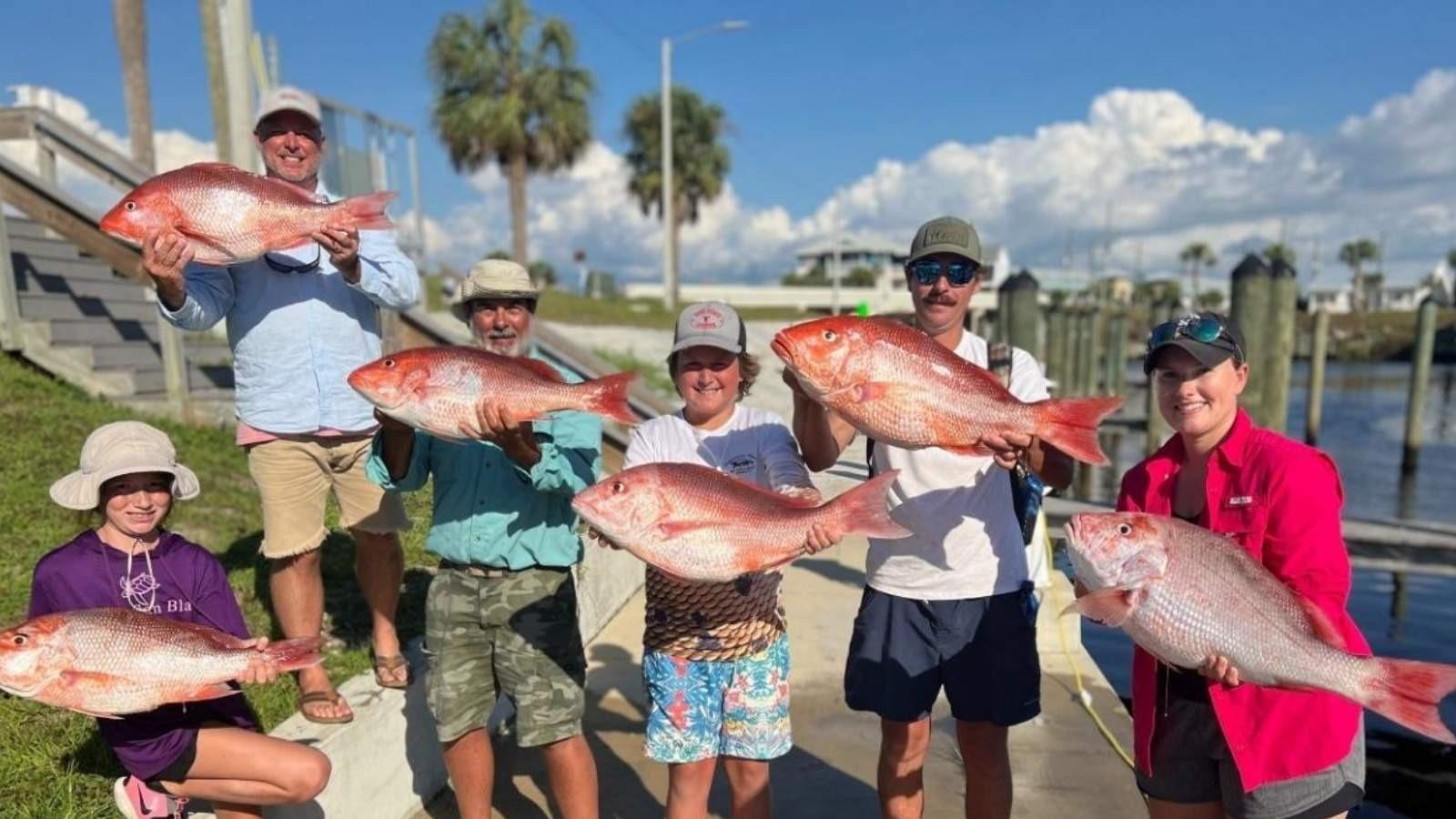
Hot weather triggers an intense offshore bite. Because of this, you should book deep-sea excursions to target Red Snapper, Mahi-Mahi, and Gag Grouper. Summer also brings the highly anticipated bay scallop season to St. Joseph Bay, which runs from August 16 through September 24 in 2026.
Fall Fishing
Cooling temperatures ignite a localized feeding frenzy across the shallow estuaries. This brief window gives you the best chance to target oversized Bull Redfish and Speckled Trout schooling heavily inshore. With most summer vacationers gone, you will encounter fewer tourist boats and enjoy a quiet, productive day.
Winter Fishing
While tourism slows significantly, dedicated anglers still find consistent success here. You can easily catch resilient species like Sheepshead, Black Drum, and resident Redfish by slowing down your bait retrieval speed and using live shrimp around deep structures.
How to Master Inshore Fishing at St. Joseph Bay
St. Joseph Bay offers highly consistent inshore fishing because it features clear water, high salinity, and fifteen miles of expansive seagrass meadows. To access these pristine waters, you can launch your vessel at the St. Joseph Peninsula State Park boat ramp. This centralized location puts you minutes away from the best seagrass beds.
The Target Species
You will spend most of your time targeting Redfish, Speckled Trout, and Flounder across these shallow waters. During the warmer months, you should keep your eyes peeled for Tripletail hiding near floating debris. Additionally, Tarpon regularly roll through these protected waters during the summer.
The Best Spots
The St. Joseph Peninsula protects the bay, which keeps the water calm even on windy days. You will find excellent action along the dense grass flats near the state park. If you prefer wading, the shoreline near Indian Pass gives you great access to distinct drop-offs where white sand meets the turtle grass.
Techniques
To fish these skinny waters effectively, you must use light tackle. I always recommend casting popping corks rigged with live shrimp over the seagrass beds to draw explosive strikes from Speckled Trout. When casting near oyster bars, you should let your bait sink to the bottom so waiting Flounder can ambush it.
Where to Find Offshore Fishing Action in the Gulf
Beyond the coastal shallows, the deep-sea fishing grounds offer thrilling big-game action. And thanks to a rapidly dropping continental shelf, you can reach these highly productive depths without traveling far from shore.
The Target Species
Your primary targets out here include heavy-hitting bottom fish and fast-moving pelagics. Anglers consistently pull trophy Red Snapper, Gag Grouper, and Amberjack from deep-water structures. Additionally, trolling surface lines yields seasonal runs of King Mackerel, Mahi-Mahi, and Cobia.
The Best Spots
Offshore success relies completely on locating underwater architecture, and fortunately, the Florida Panhandle floor is dotted with hundreds of submerged habitats.
Since 1997, the Mexico Beach Artificial Reef Association has deployed over 290 man-made reefs to stimulate marine life. Alongside these concrete structures, historical shipwrecks like the 465-foot World War II HMS Empire Mica serve as massive gathering spots for heavy Amberjack.
Booking a Charter
Booking an experienced offshore charter captain is your smartest move for deep-sea excursions. These professionals utilize advanced sonar equipment and proprietary GPS coordinates to pinpoint active fish populations quickly. Consequently, a guided trip ensures you actually drop lines over productive limestone ledges rather than blindly searching the open ocean.
When targeting Red Snapper, use a heavy bottom rig paired with circle hooks and fresh cut bait like cigar minnows. Circle hooks prevent deep hooking, which significantly improves the survival rate of released fish.
Explore Local Surf Fishing and Pier Fishing Locations
You do not need a boat to reel in a fantastic catch on the Forgotten Coast. Both the surf and local wooden structures offer excellent access to the Gulf waters right from the sand.
Surf Fishing
The sandy shoreline near the Cape San Blas Lighthouse provides excellent access for surfcasters. You will also find plenty of quiet space to set up your gear at Salinas Park.
When casting directly into the breaking waves, you should target seasonal favorites like Pompano and Whiting. To find the most productive surf fishing spots, look for subtle changes in the water color indicating deep troughs between the sandbars. Fish use these submerged trenches as highways to ambush prey.
Bring a ten-foot surf rod to reach the deeper troughs where these species actively feed. A long rod paired with a simple pompano rig tipped with fresh peeled shrimp yields great results during a rising tide.
Pier Fishing
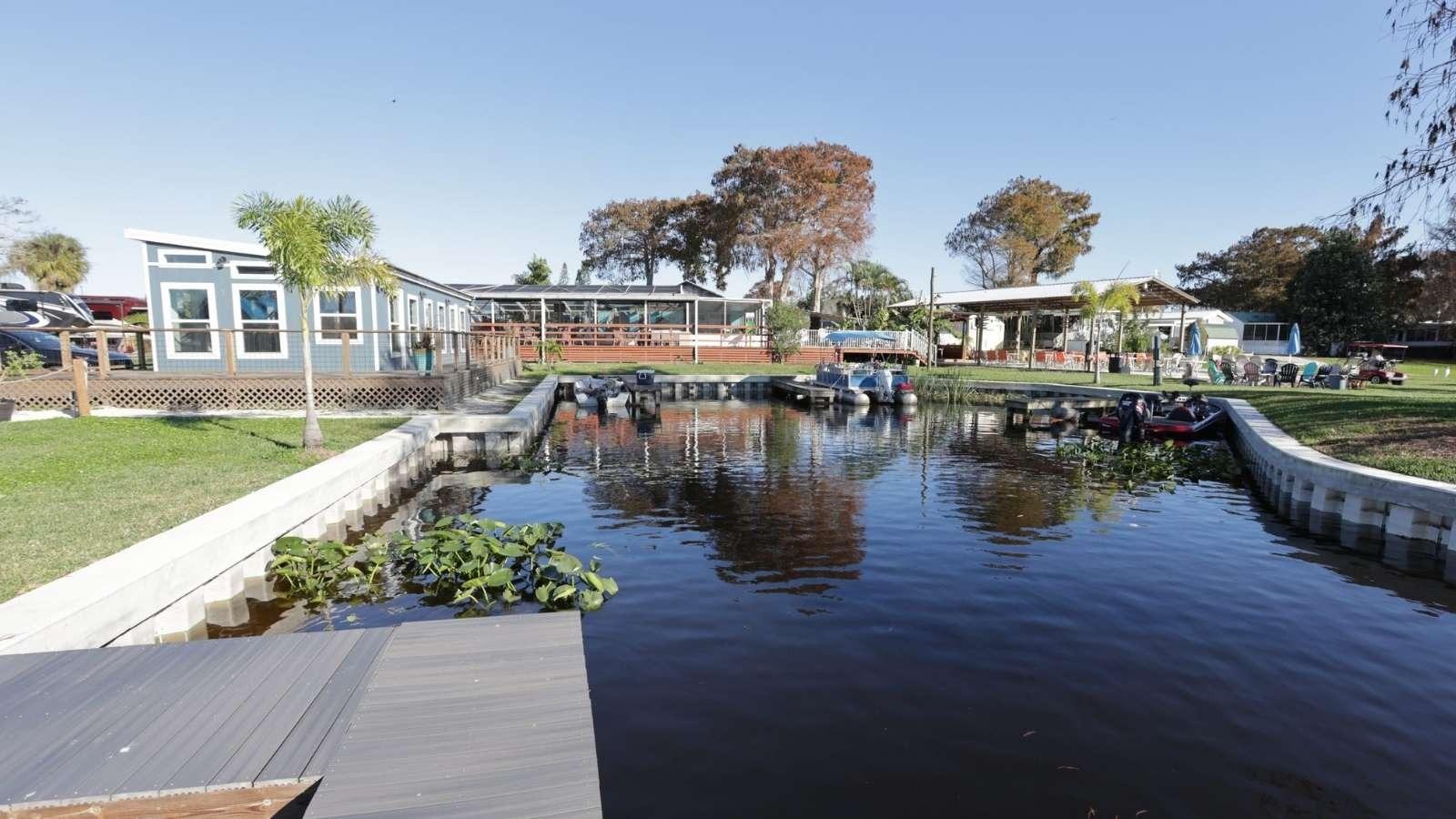
If you prefer casting from a stable structure, you can explore the small public boardwalks scattered along the St. Joseph Peninsula. While the area lacks towering commercial piers, bay-side facilities like the docks near Eagle Harbor provide direct access to deeper water without a boat. From these wooden platforms, you can easily target Speckled Trout and Flounder just by dropping a line straight down with a live mud minnow.
Why You Should Hire a Cape San Blas Fishing Charter
Booking a guided trip takes the guesswork out of your vacation because local captains understand exactly how the sweeping tides behave around Indian Pass and know precisely where the fish feed inside St. Joseph Bay.
Going with a pro also saves you significant preparation time and equipment costs. Reputable charters supply all the high-quality gear, heavy tackle, and fresh bait you will need for a successful outing. And because the captain automatically covers your Florida fishing license under their commercial vessel permit, you just show up at the marina ready to fish.
You can customize your time on the water to fit your specific schedule too. If you want a relaxed morning casting for Speckled Trout, you should book a half-day inshore trip. These shorter runs keep you close to land and offer a great option for families with young children.
Alternatively, you can reserve full-day offshore deep-sea excursions to hunt for heavy bottom fish much further into the Gulf of Mexico. Always speak with your captain ahead of time so they can match the itinerary to your desired catch.
2026 Fishing Regulations You Need to Know
Before you cast your line, you need to understand the latest 2026 fishing regulations enforced by the Florida Fish and Wildlife Conservation Commission (FWC). Wildlife officers actively patrol the area to ensure compliance and protect the marine ecosystem.
If you plan to harvest highly regulated species like Gulf Red Snapper, pay close attention to seasonal closures. The 2026 Gulf private recreational Red Snapper season opens May 22 and runs continuously through July 31. Because rules change annually based on stock assessments, you should always check the official FWC website for the most up-to-date bag and size limits before your trip.
You also need the proper documentation to fish legally in Florida. If you hire a licensed charter captain, their commercial vessel permit automatically covers your saltwater fishing license.
However, if you choose to fish from the beach, a public boardwalk, or your rented boat, you must purchase a Florida recreational saltwater fishing license. Anglers targeting reef fish from a private vessel must also obtain the free State Reef Fish Angler designation to help the state track offshore harvest data accurately.
Tips for Anglers of All Skill Levels
Tips for Beginners
Starting your fishing journey on the Forgotten Coast feels highly rewarding if you keep your approach simple.
1. Book a guided inshore trip first to learn the layout of the local waters safely.
2. Focus your early efforts on catching abundant, cooperative species like Speckled Trout or Spanish Mackerel before you attempt to hunt elusive big game.
3. Always pack a versatile tackle box. Include a mix of silver spoons for Spanish Mackerel and heavy jig heads for probing the deeper holes where Flounder hide.
4. You will find the most success using a basic popping cork rig tipped with a live shrimp or a scented soft plastic lure. The distinct splashing sound of the cork closely mimics feeding fish, and this simple noise draws aggressive strikes from below without requiring complex retrieval techniques.
5. Bring high-quality polarized sunglasses to cut through the harsh surface glare and physically spot the sandy potholes where fish hide.
Tips for Experienced Anglers
If you already know your way around a flats skiff, follow these tips:
1. Bring your specialized tackle to sight-cast the coastal shallows. You will want a medium-heavy action rod spooled with a thirty-pound braided line when hunting Tarpon. To trigger explosive surface bites, throw topwater plugs across the grass flats at first light.
2. Pay close attention to the tidal charts when planning your runs near Indian Pass. The sweeping currents push water through the pass rapidly, and this movement dictates exactly where baitfish congregate. You should match the local hatch closely by throwing live finger mullet caught directly from the bay.
3. Practice proper catch and release techniques. Wet your hands before handling a fish to protect its delicate slime coat, and use a descending device when releasing reef fish caught in deep water to combat barotrauma.
Plan Your Forgotten Coast Fishing Adventure Today
I still think about the quiet sunrises over St. Joseph Bay and the thrill of pulling a heavy Grouper from the deep waters near Indian Pass. Cape San Blas rewards the angler who is willing to seek it out — the seagrass flats, the artificial reefs offshore, the quiet surf at sunrise with a ten-foot rod and no one else in sight. There is a reason locals call this stretch of coastline the Forgotten Coast. It hasn't been overrun, and the fishing reflects that.
When you're ready to make the trip, Pristine Properties offers vacation rentals in Cape San Blas, Port St. Joe, Indian Pass, and Mexico Beach — close to the water and close to everything this guide covers. Browse our properties and find your home base on the Forgotten Coast.