

The Forgotten Coast pulls snowbirds and off-season travelers back every fall and winter for one simple reason: the crowds thin out while everything good stays open. Highs settle into the 50s and 70s, rental rates drop, and towns like Cape San Blas, Port St. Joe, and Mexico Beach turn quiet enough to hear the Gulf again. Stone crab season starts, holiday festivals fill the calendar, and St. Joseph Peninsula State Park becomes a birder's paradise.
Think of the Forgotten Coast in summer like a diner packed during the lunch rush: every stool taken, ice machines running nonstop, servers weaving between tables just to keep up. Now picture that same diner an hour after closing. The tables are still there. The coffee still tastes the same. But you can finally hear the ceiling fan turn.
That's the shift you feel driving into Cape San Blas, Port St. Joe, Mexico Beach, Indian Pass, or St. Joe Beach once October arrives. The sugar sand and green water don't go anywhere. The bridge traffic does.
Roughly October through February, this five-town stretch of Florida's Gulf Coast turns into something closer to a secret, and a growing number of travelers, especially snowbirds escaping real winter up north, have caught on.
A Quick Intro Before We Dive In
At Pristine Properties, we're all about making your vacation unforgettable. We offer a fantastic selection of vacation rentals in Cape San Blas, Port St. Joe, Indian Pass, Mexico Beach, and St. Joe Beach, all close to some of America's most beautiful beaches.
And since we're at it, if you ever need tips on these locations, you can dive into our local destination blog. We've got the scoop on everything from the top reasons to visit the Forgotten Coast in fall to the most photogenic lighthouses. There's always more to come, so keep an eye out for our latest posts!
Contents
1. What the Weather Actually Feels Like
2. The Money and the Quiet: Why the Off-Season Wins
3. Scalloping, Stone Crab, and the Forgotten Coast's Seafood Calendar
4. A Winter Calendar Full of Small-Town Traditions
5. Wildlife You Only See This Time of Year
6. Things to Do Beyond the Beach
7. Planning Your Snowbird or Off-Season Stay
8. Come See the Forgotten Coast the Quiet Way
What the Weather Actually Feels Like
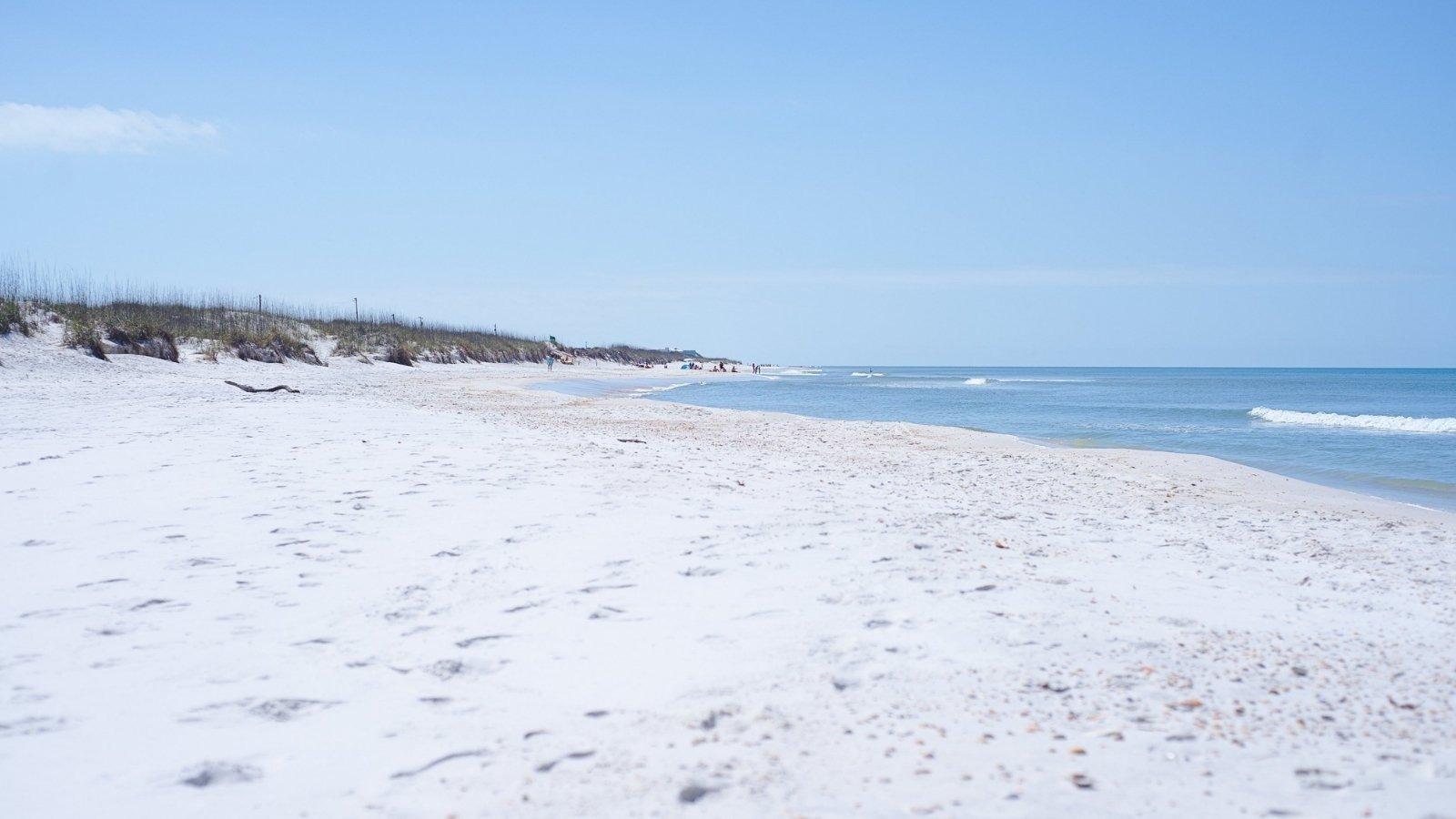
You won't need a parka here, even in January. This part of the Panhandle stays mild well into winter, and the numbers back that up.
September and October still feel like summer's tail end. Highs run from 68°F to 85°F, and the Gulf holds onto its warmth, so swimming and paddling stay comfortable straight through October.
November brings the real shift. Highs cool to the 60s and low 70s, lows drop into the 50s, and mornings turn crisp enough for a light jacket at sunrise. This is when the humidity that defines Florida summers finally disappears.
December through February marks true winter here, though "winter" means something gentler on the Forgotten Coast than it does almost anywhere else in the country. Daytime highs typically land in the 60s, and lows rarely dip below the 40s. Snow and frost are both uncommon this far south. You'll want layers for evening walks along St. Joseph Bay, but you won't need much more than that.
Rain stays light through this stretch too, well below summer's afternoon storm pattern, which means fewer washed-out plans and more open beach days.
The Money and the Quiet: Why the Off-Season Wins
Fewer visitors means more of everything you actually came for.
Rental rates drop noticeably once summer ends, and many owners offer discounts for longer winter stays, which is part of why snowbirds treat this coast as a seasonal home base rather than a quick getaway. A week here in January can cost significantly less than the same house rents for in July.
Space opens up too. St. Joseph Peninsula State Park stretches across 10 miles of beach, and in the off-season you can walk a good portion of it without seeing another footprint. Parking lots that overflow in summer sit half empty. Boat ramps clear out. You can grab a table at a waterfront restaurant on a Friday night without a wait.
That extra room changes the pace of a trip. Mornings move slower. Nobody rushes to claim a beach spot before it's gone. You get to actually notice the place: the way St. Joseph Bay turns glass-calm at dawn, or how the sand along Indian Pass stays cool underfoot instead of scorching.
Locals will tell you this is the real Forgotten Coast, the one that exists once the summer traffic clears out.
Scalloping, Stone Crab, and the Forgotten Coast's Seafood Calendar
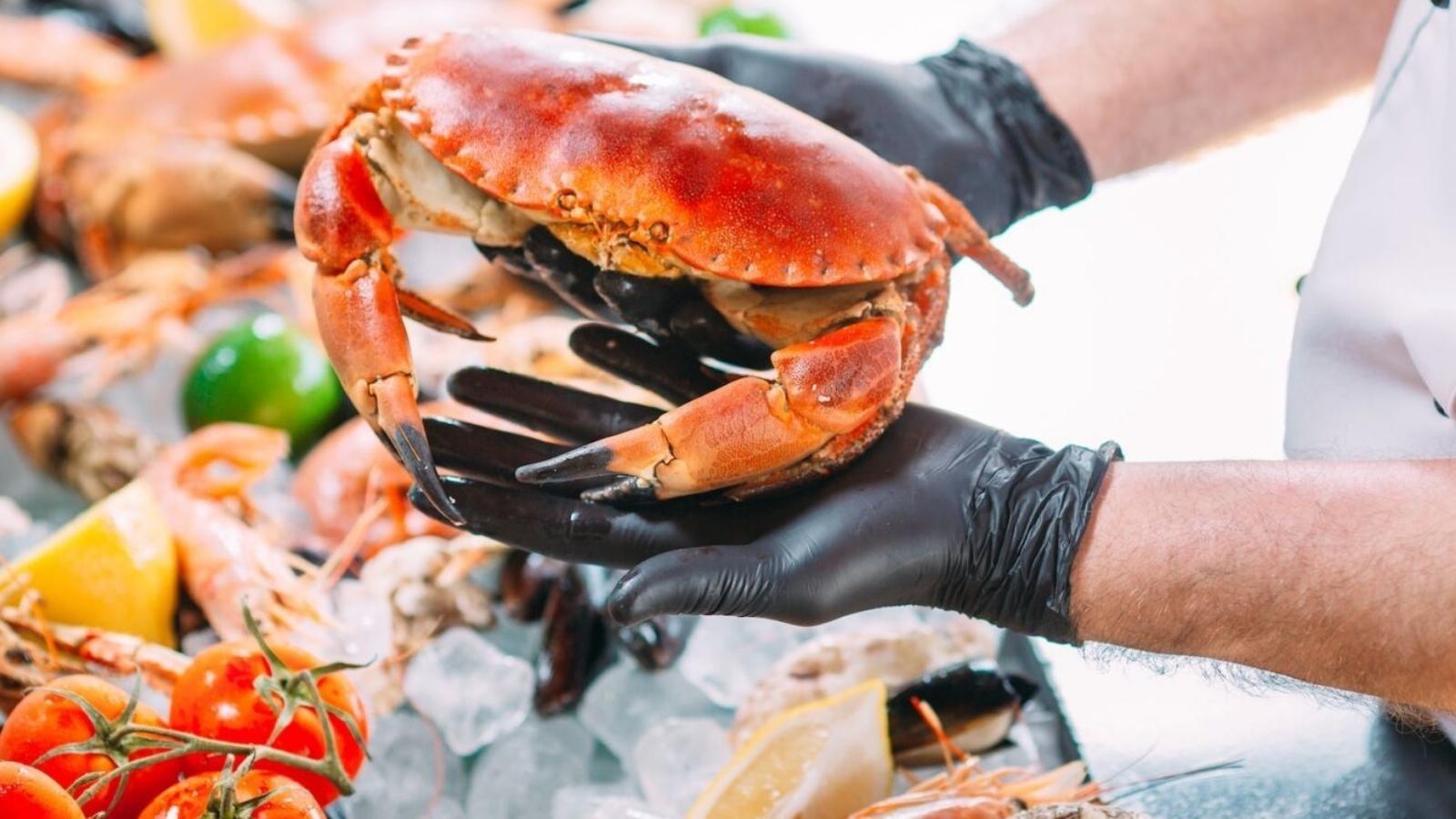
This coast runs on a seafood calendar as much as a weather one, and the shift from summer to fall brings a change in what's biting, and what's on the menu.
If you land here in September, you can still catch the tail end of scallop season in Gulf County, which wraps up on September 24. You can grab a mask and snorkel and join the last of the season's harvesters combing the grass flats of St. Joseph Bay before the window closes. Travel later in the fall or through winter, and the spotlight shifts to a different local favorite.
Stone crab season runs from October 15 through May 1, which places the entire fall and winter travel window right in the middle of it. These claws are harvested one at a time, then the crab gets returned to the water to regrow it, so the tradition continues year after year without hurting the population. Order them chilled with mustard sauce at a local seafood house and you'll be eating one of the more sustainable delicacies in the state.
Apalachicola oysters, the region's most famous catch, show up on menus throughout the cooler months just up the coast. Grab a plate at Indian Pass Raw Bar, or catch the Florida Seafood Festival in Apalachicola each November, where oyster shucking contests and fresh catch take over the historic waterfront for a weekend.
A Winter Calendar Full of Small-Town Traditions
Winter here isn't a quiet season so much as a different kind of busy, filled with the sort of small-town events you won't find on a bigger, more crowded coastline.
The Forgotten Coast Festival of Trees takes over The Joe Center for the Arts in Port St. Joe every November and December. Local businesses and community groups decorate dozens of Christmas trees for display, and the event fills its run with visits from Santa, live carols, a silent auction, and enough hot cocoa to get anyone in the holiday spirit.
Mid-December brings the Christmas on the Coast Parade, where floats and marching bands wind down Highway 98 through downtown Port St. Joe.
Then on New Year's Day, hundreds of people gather at Cape Palms Park for the Cape San Blas Polar Plunge, a tradition where brave locals and visitors sprint into the Gulf to kick off the year. Donuts and hot chocolate wait on the beach for anyone who needs to warm back up afterward.
January and February keep the momentum going with the JSL Chili Cook-Off and Bay Day, a celebration of St. Joseph Bay's ecology hosted at the Buffer Preserve. Between all five, there's rarely a dull stretch on the calendar.
Wildlife You Only See This Time of Year
St. Joseph Bay and the surrounding preserve lands sit directly on the Atlantic Flyway, one of the major migratory routes birds use to travel between northern breeding grounds and warmer winter homes. That position makes this stretch of coast a serious destination for birders, not just beachgoers.
St. Joseph Peninsula State Park alone has recorded more than 247 bird species over the years, and the Great Florida Birding and Wildlife Trail lists the bay's preserve lands among its top wildlife viewing sites in the state.
Fall and winter bring the heaviest traffic, as migratory species pass through or settle in for the season. I spent one January morning walking the Maritime Hammock Trail along the bay when a loon surfaced on the still water, dove, and came back up a good thirty yards off. Loons winter along this coast from fall into spring, and watching one hunt the quiet bay at sunrise is the kind of moment summer crowds never leave room for.
The thinner crowds help too. With fewer people on the beach and along the bay, birds and other wildlife stay more visible and less skittish than they do during peak summer traffic.
Things to Do Beyond the Beach
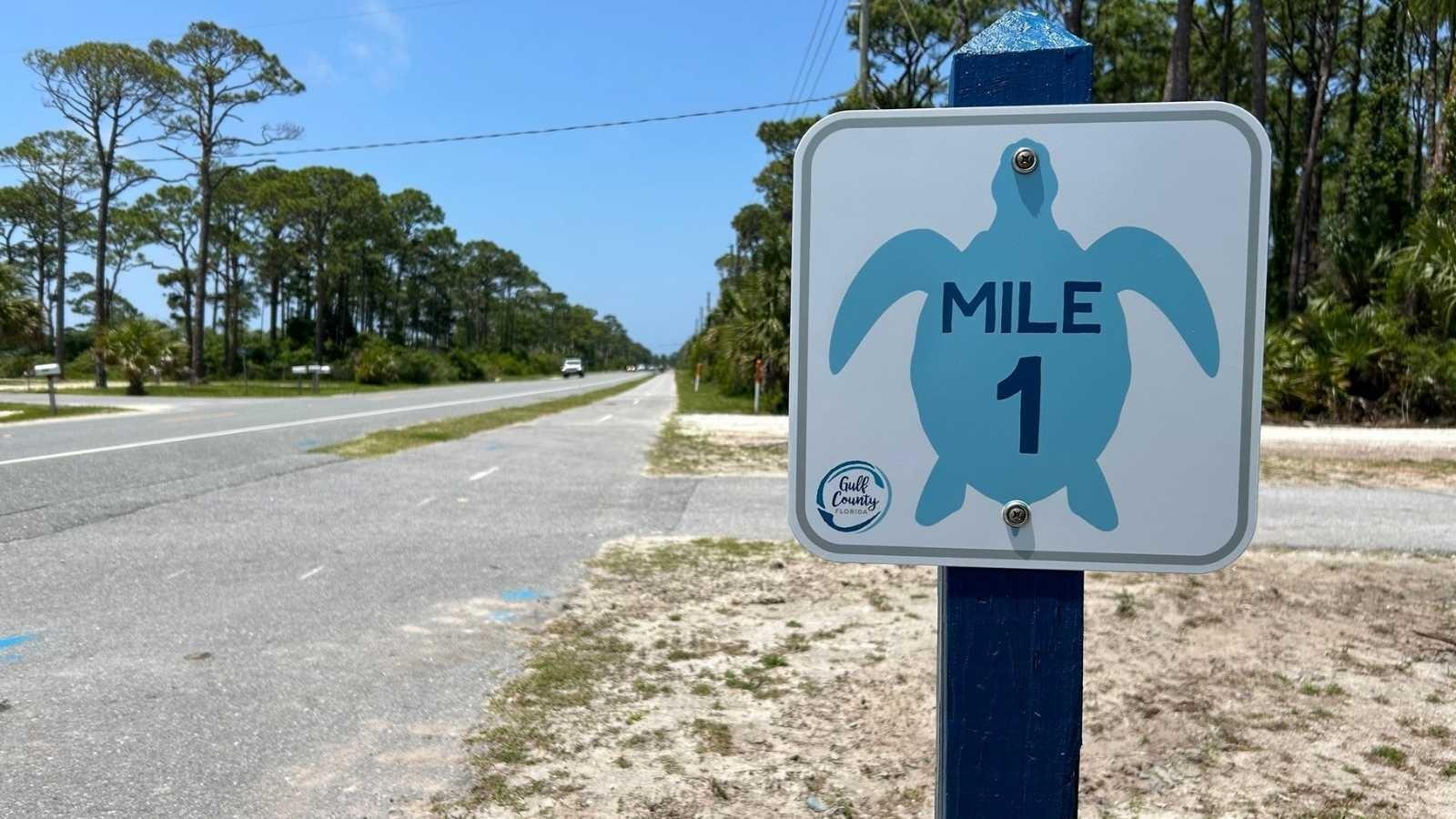
Cooler temperatures make this the best time of year to explore the parts of the Forgotten Coast that summer heat makes uncomfortable.
The Loggerhead Run Bike Path winds through Cape San Blas for cyclists who want a scenic, flat ride, while the short Maritime Hammock Trail cuts through coastal hammock along the bay for an easy walk. Climb the Cape San Blas Lighthouse for a panoramic view of the coast, or paddle St. Joseph Bay's clear, calm winter water by kayak, when the lack of summer boat traffic makes for easier, quieter trips.
Farmers markets keep their regular schedules through the off-season too. The Salt Air Farmers Market in Port St. Joe runs the first and third Saturdays, while markets in Apalachicola and Mexico Beach run the second and fourth, giving you a reason to plan a Saturday morning around local produce and crafts.
Planning Your Snowbird or Off-Season Stay
If value matters most, aim for November or January, when rates sit at their lowest and the calendar is still full of things to do. If you want warmer water alongside the quiet, October gives you both.
Pack layers rather than heavy coats. A light jacket and a few long sleeves cover nearly every day in this window, even in the dead of winter.
True snowbirds, those staying weeks or months rather than days, should ask about extended-stay rates when booking. Many owners along this coast offer meaningful discounts for longer winter reservations, just like we do at Pristine Properties.
Come See the Forgotten Coast the Quiet Way
That diner from the start of this article never really closes. It just gets quiet enough to enjoy. Fall and winter on the Forgotten Coast give you the same beaches, the same bay, and the same small towns, minus the crowd standing between you and them.