
Indian Pass is a small, unincorporated community on Florida's Forgotten Coast, about 8 miles south of Port St. Joe in Gulf County. It has no high-rises, chain hotels, or stoplights, just a stretch of beach open to permitted driving, a private boat shuttle to St. Vincent National Wildlife Refuge, and Indian Pass Raw Bar, a seafood shack that has served the area since the early 1900s.
What does a Florida beach town look like before development ever found it? Indian Pass is one answer. There's no boardwalk, no high-rise condo tower, and no chain restaurant sign lighting up the highway at night. Instead you get sand roads, a working seafood shack, and a barrier island across the water that you can only reach by boat.
In this guide, you'll find out why this tiny Gulf Community feels like a time capsule, how to plan your trip, and how to make the most of it.
About Pristine Properties
At Pristine Properties, we're all about making your vacation unforgettable. We offer a fantastic selection of vacation rentals in Cape San Blas, Port St. Joe, Indian Pass, Mexico Beach, and St. Joe Beach, all close to some of America's most beautiful beaches.
And since we're at it, if you ever need tips on these locations, you can dive into our local destination blog. We've got the scoop on everything from why snowbirds and off-season travellers love to visit the Forgotten Coast in fall and winter to how to fish in Cape San Blas. There's always more to come, so keep an eye out for our latest posts!
Contents
1. Where Is Indian Pass, Florida?
2. A Brief History of Indian Pass
3. What Makes Indian Pass Feel Like a Time Capsule?
5. Best Time to Visit Indian Pass
6. Things to Do in Indian Pass
7. Where to Eat: Indian Pass Raw Bar
9. Plan Your Trip to Indian Pass
Where Is Indian Pass, Florida?
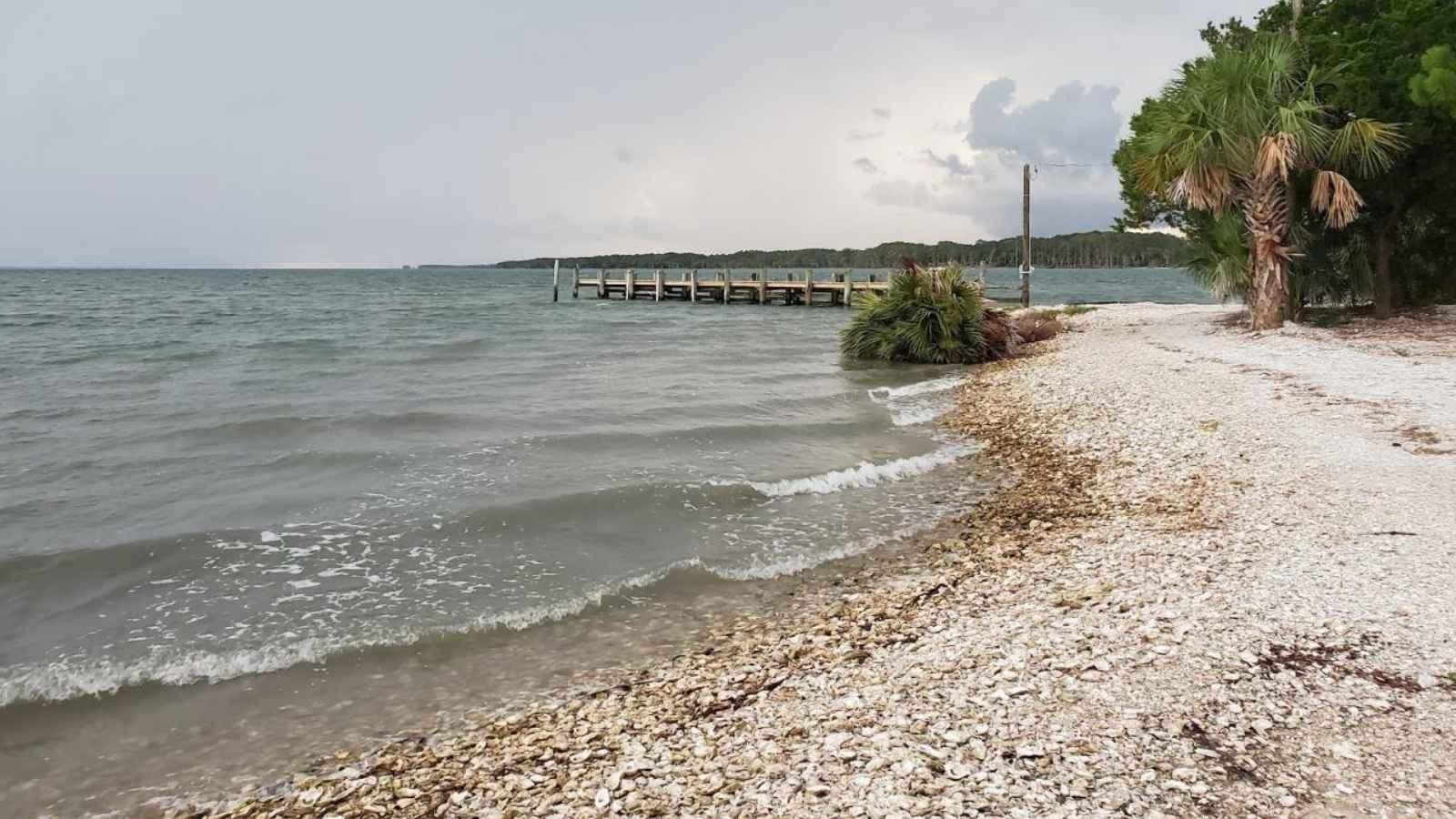
Indian Pass sits on the south coast of Gulf County, Florida, about 8 miles south of Port St. Joe. Gulf County had a population of about 14,192 as of the 2020 census, with Port St. Joe serving as the county seat. Indian Pass itself is tucked between Port St. Joe and Apalachicola along County Road 30A, in the stretch of coastline known locally as the Forgotten Coast, and its name comes from the natural pass that connects Apalachicola Bay to the Gulf of Mexico at this exact spot.
A Brief History of Indian Pass
The area's modern history starts with the McNeill family. James McNeill Sr. arrived in Indian Pass in 1903 and started a turpentine business there. When Florida finished building the coastal highway through the area in 1929, the family moved its store to the location it still occupies today.
James McNeill Jr., known as Jimmie, came home from World War II in 1947 and found the family's turpentine business no longer had much of a market. He started working at a local oyster shucking house instead, and over time built his own seafood operation, the Indian Pass Seafood Company, which held oyster leases across more than 100 acres of Apalachicola Bay.
Indian Pass is commonly considered one of the last places to experience "Old Florida" living. The community grew up around fishing and oystering rather than tourism.
What Makes Indian Pass Feel Like a Time Capsule?
This stretch of coastline has gone more than 115 years without any additional commercial development, leaving a scattering of beach homes along miles of wide, pet-friendly sand. Beach driving is allowed here with a permit, and it's common to see families fishing, crabbing, grilling, or gathered around an evening bonfire right on the sand. Horseback riding along the beach is another option locals and visitors use here.
How to Get to Indian Pass
Indian Pass sits along County Road 30A, between Port St. Joe and Apalachicola. The most common route is to take Highway 98 to either town and then turn onto CR 30A, following it until you reach the community.
If you're driving from farther away, Indian Pass is about an hour east of Panama City and roughly two hours east of Destin and the beaches of South Walton. Because Indian Pass is a peninsula community without through-traffic, the drive in tends to be the same drive back out, so plan your day around that.
Best Time to Visit Indian Pass
Winter, December through February, is the calmest season on the Forgotten Coast, with mild temperatures, quiet beaches, and the peak of the region's oyster season. Spring, March through May, brings warmer days and clearer water, making it one of the more popular stretches to visit.
Summer, June through August, is hot and humid, and it also marks the start of hurricane season, which runs from June 1 through November 30, with peak activity from August through October. Fall, September through November, is a local favorite, with fewer crowds, milder temperatures, and Gulf waters still warm enough for swimming.
How you weigh these seasons depends on what you're after. If avoiding crowds and getting a better rate on a rental matters most, aim for fall or winter. If you want to be in the water without the summer heat, spring is the sweet spot before hurricane season ramps up.
If wildlife is the draw, loggerhead sea turtle nesting season runs May through October, and if Apalachicola Bay oysters specifically are what brought you here, the current limited harvest season runs January through February, which lines up neatly with the calmest weather of the year.
Things to Do in Indian Pass
Visit St. Vincent National Wildlife Refuge
Across the water from Indian Pass sits St. Vincent Island, a 12,300-acre undeveloped barrier island that the U.S. Fish and Wildlife Service has managed as a National Wildlife Refuge since 1968. Combined with a second island and two mainland tracts, the full refuge covers about 12,492 acres.
Access to the island is by boat only, with a free public boat ramp and no-cost parking at the end of Indian Pass Road (County Road 30-B), about a quarter mile across the pass to the island.
If you don't have your own boat, a private company called St. Vincent Island Shuttle runs passenger service from Indian Pass, and other local charter captains offer trips as well. Service can be limited, so it's worth calling ahead to book a spot.
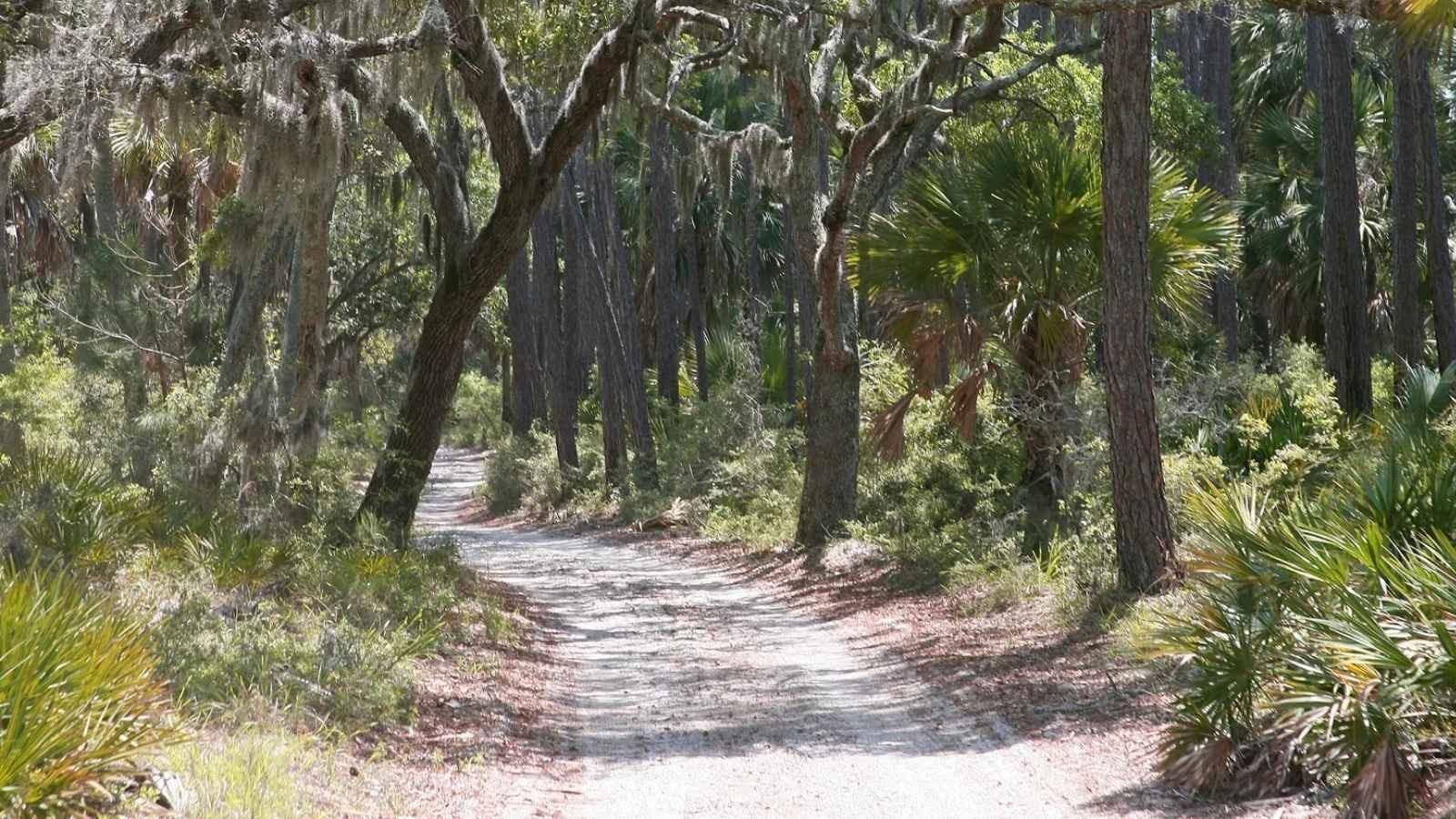
Once you're on the island, there are no facilities and no drinking water, so bring your own water, sunscreen, and insect repellent. In exchange, you get sand roads open to hiking and biking and undeveloped beaches.
Seaside Sparrows populate the salt marsh, Least Bitterns and ducks use the interior wetlands in summer, and American Oystercatchers and Snowy Plovers nest right on the beach. The refuge is also a breeding site for endangered red wolves.
Drive on the Beach (With a Permit)
Gulf County allows beach driving at a limited number of access points, and Indian Pass is one of them, along with sections of Cape San Blas and the north end of St. Joseph Peninsula. You'll need a Gulf County Beach Driving Permit first, which you can purchase through the Gulf County Tax Collector's office. The permit runs through December 31 of the year it's issued, so if you're visiting in early January, make sure you have a current one before you head onto the sand.
That said, not every beach in the county allows driving. Windmark Beach and St. Joe Beach are both off-limits to beach driving, so Indian Pass is one of the few places in the area where you can legally take a vehicle onto the sand.
Fish, Shell, and Watch for Wildlife
Indian Pass bills itself as a low-key destination built around fishing and boating rather than crowds, and it has a reputation among anglers for excellent triple tail and tarpon fishing, with trout, redfish, and flounder also common catches in the surrounding bay waters. The mix of fresh water from Apalachicola Bay and salt water from the Gulf creates a nutrient-rich environment that supports this kind of fishing.
The beach itself is also a nesting ground for threatened loggerhead sea turtles and a stopover for shorebirds. Nesting season along the Forgotten Coast runs from May 1 through the end of October, so if you're visiting during those months, expect to see marked nests on the sand and keep outdoor lights off at night so hatchlings aren't drawn away from the water.
Beachcombers here regularly find shells, fossilized shark teeth, and pottery shards left behind by the area's earliest inhabitants.
Where to Eat: Indian Pass Raw Bar
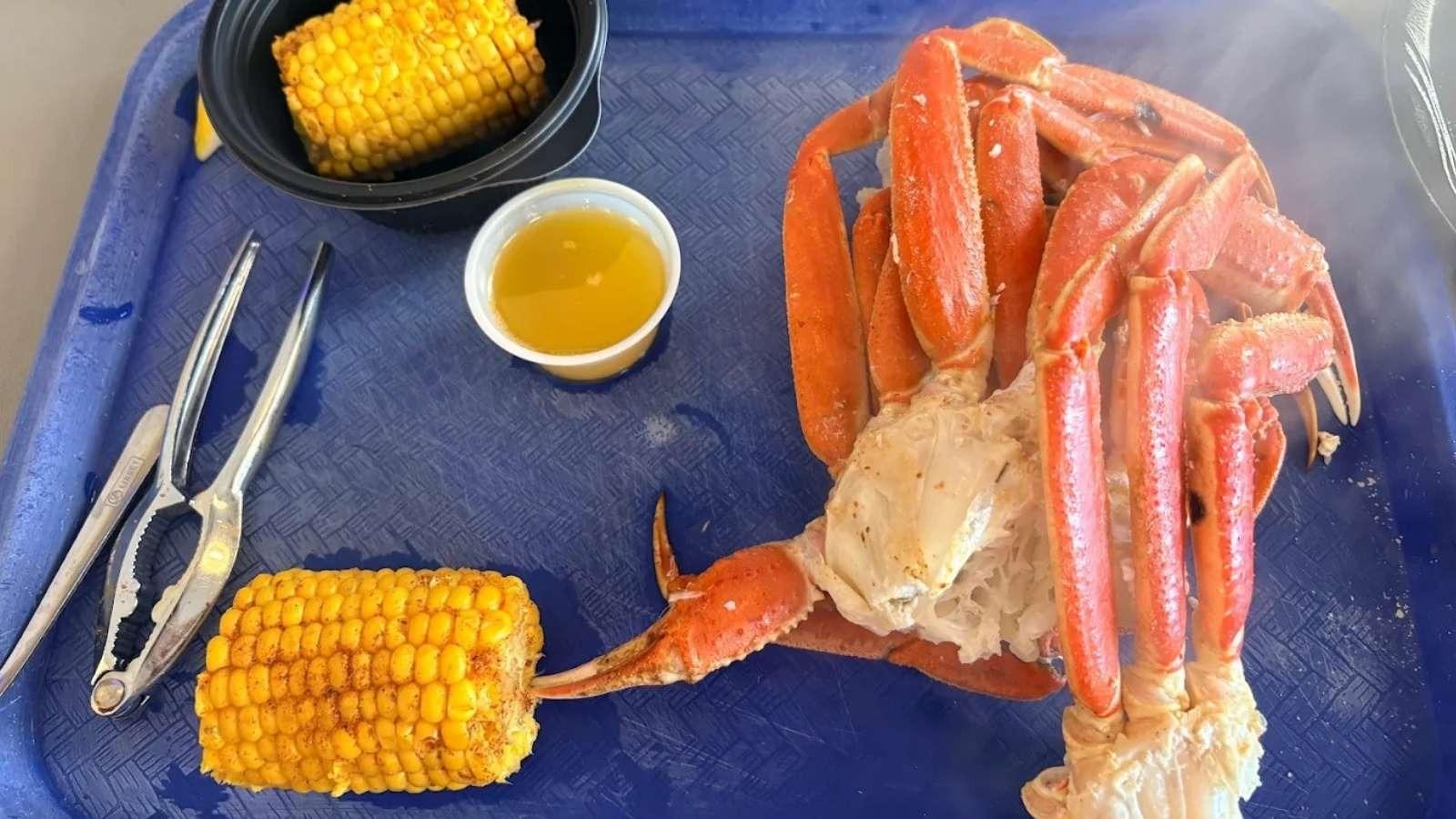
Plan your visit around Indian Pass Raw Bar, the seafood shack the McNeill family has run at this location since 1929. As of 2026, the restaurant is open Tuesday through Sunday from noon to 9 p.m. and closed on Mondays.
The atmosphere here is deliberately unpolished. There's no hostess stand and no dress code. Instead, you grab your own drink from a self-serve cooler on the honor system, then find a table and order from a menu built around raw, steamed, and baked oysters, crab legs, shrimp, and gumbo.
Frequently Asked Questions
Is Indian Pass a real town? Not officially. Indian Pass is an unincorporated community in Gulf County, Florida, part of the region locally known as the Forgotten Coast, which means it doesn't have its own municipal government the way an incorporated city or town does.
Can you drive on Indian Pass beach? Yes, with a Gulf County Beach Driving Permit purchased through the county tax collector's office. Indian Pass is one of the few beaches in Gulf County where driving on the sand is legal.
How do you get to St. Vincent Island from Indian Pass? By boat only. You can bring your own boat or kayak and launch from the free public boat ramp at the end of Indian Pass Road, about a quarter mile across the pass to the island, or book passage with a private company like St. Vincent Island Shuttle, since there's no public ferry and no bridge to the island.